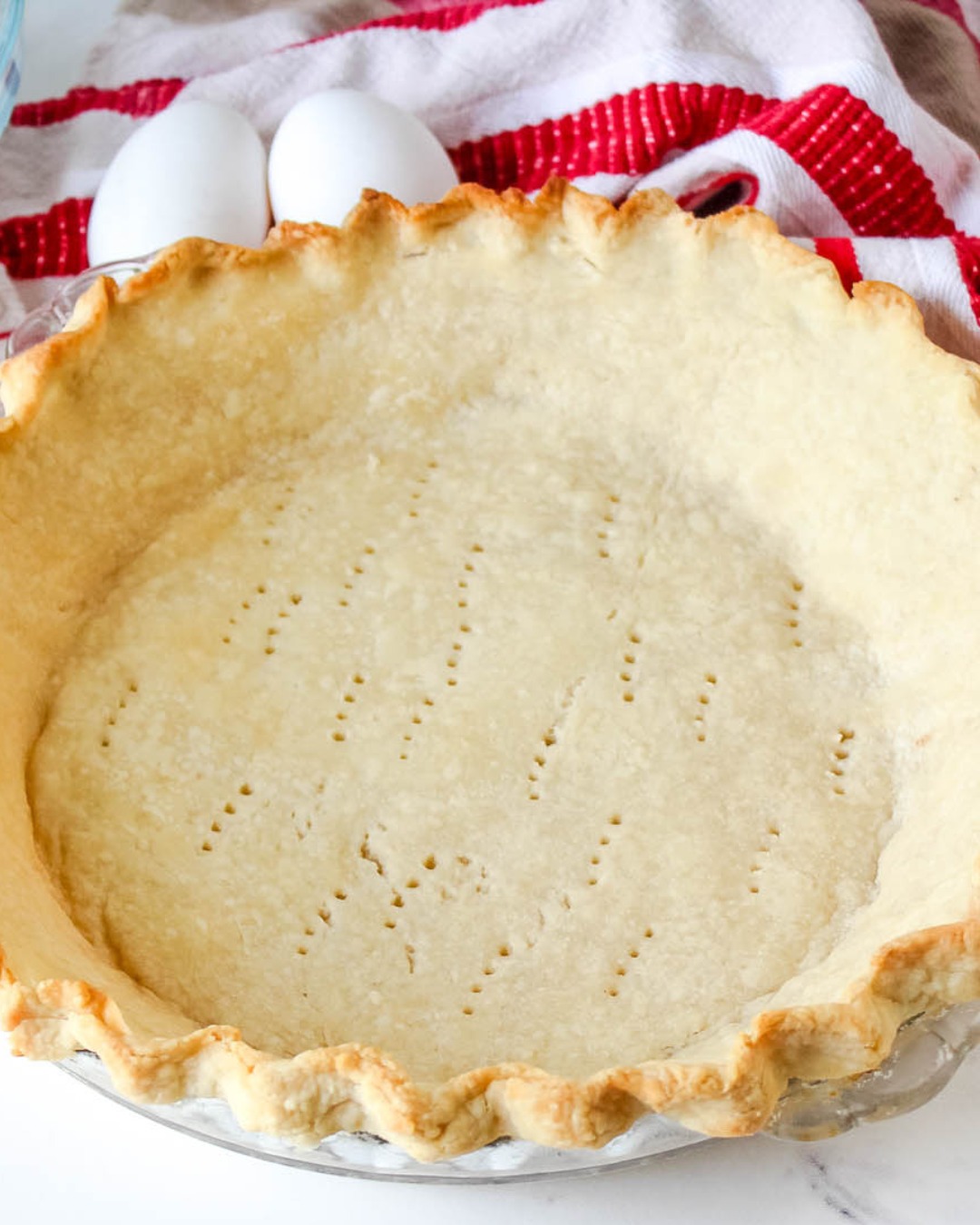
100-Year-Old Pie Crust Recipe: A Timeless Classic for Perfect Homemade Pies
If you’re searching for a reliable, flaky, and delicious pie crust recipe that has stood the test of time, this 100-year-old pie crust recipe is exactly what you need. Passed down through generations, this traditional method delivers a perfectly tender and buttery crust that works beautifully for both sweet and savory pies.
In this guide, we’ll explore everything you need to know about making this classic pie crust from scratch, including detailed instructions, expert tips, variations, and answers to common questions. Whether you’re a beginner or an experienced baker, this recipe will become a staple in your kitchen.
Why This 100-Year-Old Pie Crust Recipe Still Works Today
Old-fashioned recipes often rely on simple, wholesome ingredients and proven techniques. This pie crust recipe is no exception. It uses pantry staples and a straightforward method that ensures consistent results.
Here’s why this recipe has lasted for over a century:
- Simple ingredients that are easy to find
- A balanced ratio of fat to flour for flakiness
- A method that minimizes gluten development for tenderness
- Versatility for both sweet and savory dishes
Unlike many modern shortcuts, this recipe embraces traditional baking wisdom, resulting in a crust that is crisp, flaky, and full of flavor.
Ingredients for the Perfect Pie Crust
To make this classic pie crust, you will need the following ingredients:
- 4 cups all-purpose flour
- 1 3/4 cups shortening (traditionally lard was used)
- 3 tablespoons sugar (reduce for savory pies)
- 2 teaspoons salt
- 1 egg
- 1/2 cup ice water
Ingredient Notes
Flour:
All-purpose flour provides the ideal structure. Avoid bread flour, as it can make the crust too tough.
Shortening or Lard:
Shortening creates a tender and flaky texture, while lard offers a more traditional flavor and superior flakiness. You can also experiment with butter for added richness.
Sugar:
Sugar enhances flavor and helps with browning. For savory pies like quiche or meat pies, reduce or omit it.
Salt:
Salt balances the flavors and enhances the overall taste.
Egg and Ice Water:
The egg adds richness and structure, while ice water helps bring the dough together without melting the fat.
Step-by-Step Instructions
Step 1: Combine Dry Ingredients and Fat
In a large mixing bowl, add the flour, shortening, sugar, and salt. Using a pastry cutter, blend the mixture until it becomes crumbly.
The goal is to create small pea-sized pieces of fat throughout the flour. This is what gives the crust its signature flaky layers.
Step 2: Add Liquid Ingredients
In a separate small bowl, whisk together the egg and ice water. Gradually add this mixture to the flour mixture.
Mix gently until the dough just comes together. Avoid overmixing, as this can develop gluten and make the crust tough.
Step 3: Chill the Dough
Divide the dough into portions, form them into balls, and flatten each into a disk. Wrap tightly in plastic wrap and refrigerate until ready to use.
Chilling is essential. It allows the fat to firm up again and relaxes the gluten, making the dough easier to roll out.
Tips for Making the Best Pie Crust
Even though this recipe is simple, a few expert tips can take your pie crust to the next level.
Keep Everything Cold
Cold ingredients are the secret to a flaky crust. Make sure your water is ice cold, and consider chilling your flour and bowl if your kitchen is warm.
Don’t Overwork the Dough
Handling the dough too much can result in a dense, tough crust. Mix just until combined.
Use the Right Tools
A pastry cutter works best for cutting fat into flour. If you don’t have one, you can use two forks or even your hands, but work quickly to avoid warming the fat.
Chill Before Rolling
Let the dough rest in the refrigerator for at least 30 minutes before rolling. This improves texture and prevents shrinking during baking.
Roll Evenly
Roll the dough from the center outward, rotating it occasionally to maintain an even thickness.
How to Use This Pie Crust
This versatile crust works for a wide variety of recipes.
Sweet Pies
- Apple pie
- Pumpkin pie
- Cherry pie
- Blueberry pie
- Pecan pie
For sweet pies, keep the full amount of sugar in the recipe.
Savory Pies
- Chicken pot pie
- Quiche
- Meat pies
- Vegetable pies
For savory dishes, reduce the sugar to 1 tablespoon or omit it entirely.
Shortening vs Lard vs Butter
Choosing the right fat can significantly impact your crust.
Shortening
- Easy to work with
- Produces a tender texture
- Neutral flavor
Lard
- Traditional choice
- Creates the flakiest crust
- Slight savory flavor
Butter
- Rich flavor
- Slightly less flaky
- Requires careful handling due to lower melting point
You can also combine fats for the best of both worlds, such as half butter and half shortening.
Common Mistakes to Avoid
Adding Too Much Water
Too much liquid can make the dough sticky and tough. Add water gradually.
Skipping the Chill Time
Skipping refrigeration leads to a crust that shrinks and lacks structure.
Overbaking or Underbaking
Keep an eye on your crust during baking. It should be golden brown and crisp.
Using Warm Ingredients
Warm fat blends too easily into the flour, preventing the formation of flaky layers.
Storage and Make-Ahead Tips
Refrigeration
You can store the dough in the refrigerator for up to 3 days. Keep it tightly wrapped to prevent drying out.
Freezing
This dough freezes very well. Wrap it in plastic wrap and place it in a freezer-safe bag. It can be stored for up to 3 months.
When ready to use, thaw in the refrigerator overnight.
Why This Recipe Makes Three Crusts
This recipe yields enough dough for three pie crusts. That makes it perfect for:
- Preparing multiple pies at once
- Storing extra dough for later use
- Making double-crust pies with leftover dough
You can easily scale the recipe down if needed.
Frequently Asked Questions
Can I Make This Pie Crust Without Eggs?
Yes, you can omit the egg and slightly increase the water. However, the texture may be slightly less rich.
Can I Use Whole Wheat Flour?
You can substitute part of the flour with whole wheat flour, but using 100% whole wheat may result in a denser crust.
Why Is My Dough Cracking?
This usually happens when the dough is too dry. Add a small amount of water to bring it together.
How Do I Prevent a Soggy Bottom?
Pre-bake (blind bake) the crust for recipes with wet fillings, and avoid overfilling.
Final Thoughts
This 100-year-old pie crust recipe is a perfect example of how traditional methods can still outperform modern shortcuts. With its simple ingredients and time-tested technique, it delivers consistent, delicious results every time.
Whether you’re baking a classic apple pie or a savory quiche, this crust provides the ideal foundation. Once you master it, you’ll never need another pie crust recipe again.
Take the time to follow each step carefully, keep your ingredients cold, and handle the dough gently. The result will be a beautifully flaky, golden crust that enhances any filling you choose.

