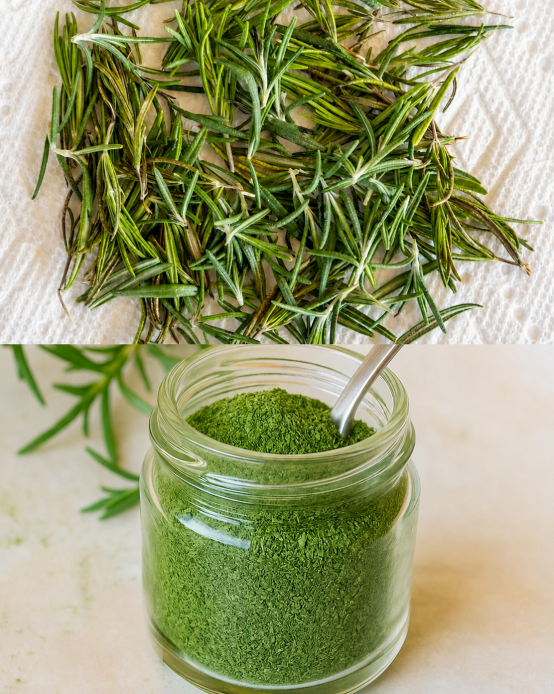
How to Make Rosemary Powder at Home: The Ultimate DIY Guide for Fresh, Aromatic Flavor
Rosemary is one of the most beloved herbs in the culinary world. Known for its earthy aroma, pine-like fragrance, and slightly peppery taste, rosemary has been used for centuries in Mediterranean cooking, herbal medicine, and natural home remedies. While fresh rosemary is wonderful, rosemary powder offers a more concentrated, convenient, and long-lasting way to enjoy this flavorful herb in everyday cooking.
Making rosemary powder at home is surprisingly simple. With only fresh rosemary sprigs and a few basic kitchen tools, you can create a fragrant homemade seasoning that tastes fresher and more vibrant than most store-bought versions. Whether you want to season roasted vegetables, enhance grilled meats, add depth to soups, or create your own spice blends, homemade rosemary powder is a pantry essential.
In this complete guide, you’ll learn everything you need to know about rosemary powder, including its benefits, how to dry rosemary properly, the best grinding methods, storage tips, common mistakes to avoid, and creative ways to use it in cooking.
What Is Rosemary Powder?
Rosemary powder is made by drying rosemary leaves and grinding them into a fine, aromatic powder. It captures the herb’s natural oils and concentrated flavor in a shelf-stable form that can be stored for months.
Fresh rosemary contains moisture, which limits its shelf life. Drying removes that moisture while preserving the herb’s essential oils and flavor compounds. Once ground into powder, rosemary becomes easier to mix into marinades, spice rubs, soups, sauces, breads, and baked dishes.
Unlike dried rosemary needles, which can sometimes feel tough or woody in food, rosemary powder blends smoothly into recipes and distributes flavor more evenly.
Why Homemade Rosemary Powder Is Better Than Store-Bought
Many people buy ground rosemary from grocery stores without realizing how much fresher and more flavorful homemade rosemary powder can be.
Here are some of the biggest advantages of making your own:
Fresher Flavor
Store-bought herbs may sit on shelves for months before reaching your kitchen. Homemade rosemary powder preserves more natural oils and aroma.
No Additives or Preservatives
Commercial spice blends sometimes contain anti-caking agents or fillers. Homemade rosemary powder contains only one ingredient: pure rosemary.
More Affordable
If you grow rosemary at home or buy fresh bundles, making powder yourself can save money over time.
Less Food Waste
Extra rosemary sprigs often go unused and eventually dry out in the refrigerator. Turning them into powder helps reduce kitchen waste.
Stronger Aroma
Freshly ground rosemary has a bold herbal fragrance that enhances nearly any savory dish.
Health Benefits of Rosemary
Rosemary is not only flavorful but also packed with natural compounds that may support overall health.
Rich in Antioxidants
Rosemary contains antioxidants that help protect cells from oxidative stress and free radical damage.
Anti-Inflammatory Properties
Compounds found in rosemary may help reduce inflammation in the body.
Supports Digestion
Rosemary has traditionally been used to aid digestion and reduce bloating after meals.
Contains Essential Nutrients
Rosemary provides small amounts of:
- Iron
- Calcium
- Vitamin B6
- Magnesium
- Potassium
May Support Memory and Focus
The aroma of rosemary has long been associated with improved concentration and mental clarity.
While rosemary powder is mainly used for flavor, these natural benefits make it even more appealing as part of a healthy diet.
Ingredients Needed
One of the best things about this recipe is its simplicity.
Ingredients
- 8 to 10 fresh rosemary sprigs
That’s it.
You can use more or less rosemary depending on how much powder you want to make.
Kitchen Tools You’ll Need
To make rosemary powder at home, you only need a few basic tools:
- Microwave or oven
- Paper towels or kitchen towel
- Baking paper or parchment paper
- Spice grinder, blender, or food processor
- Airtight spice jar or glass container
Optional:
- Fine mesh sieve for extra smooth powder
How to Choose the Best Rosemary
The quality of your rosemary will directly affect the flavor of the final powder.
Look for Fresh, Vibrant Sprigs
Choose rosemary that is:
- Bright green
- Fragrant
- Firm and not wilted
Avoid rosemary that appears:
- Yellow
- Brown
- Dry
- Moldy
Mature Rosemary Works Best
Older rosemary sprigs tend to contain stronger oils and deeper flavor than very young shoots.
Step-by-Step Guide: How to Make Rosemary Powder at Home
Step 1: Wash the Rosemary
Place the rosemary sprigs in a bowl of cold water and gently rinse them to remove dirt, dust, or garden residue.
This step is especially important if you are using homegrown rosemary.
After rinsing, shake off excess water.
Step 2: Dry the Rosemary Thoroughly
Pat the rosemary completely dry using paper towels or a clean kitchen towel.
Removing moisture is extremely important because leftover water can:
- Slow down drying
- Cause mold
- Reduce shelf life
Allow the rosemary to air dry for a few additional minutes if needed.
Step 3: Remove the Leaves
Hold the top of each rosemary stem firmly.
Using your fingers, pinch near the base of the leaves and slide downward against the direction of growth.
The rosemary needles should easily separate from the woody stem.
Discard the stems and keep only the leaves.
Step 4: Prepare for Drying
Spread the rosemary leaves evenly between two sheets of baking paper or parchment paper.
This helps protect the herbs from burning while allowing even drying.
Avoid overcrowding the rosemary.
Step 5: Dry the Rosemary
Microwave Method
Place the rosemary between parchment sheets in the microwave.
Microwave for approximately 2 minutes total.
Check every 30 to 45 seconds to ensure the rosemary is drying and not burning.
The leaves are ready when they:
- Feel crisp
- Crumble easily
- Snap between your fingers
Microwave times may vary depending on your appliance.
Alternative Drying Methods
If you prefer not to use a microwave, there are several other effective methods.
Air-Drying Method
Tie rosemary sprigs together with kitchen twine and hang them upside down in a warm, dry place.
Allow them to dry for 5 to 7 days.
This method preserves flavor beautifully but takes longer.
Oven-Drying Method
Spread rosemary leaves on a baking sheet lined with parchment paper.
Bake at 150°F (65°C) for 20 to 30 minutes.
Check frequently to avoid burning.
Food Dehydrator Method
Place rosemary leaves in a dehydrator tray.
Dry at low heat according to the manufacturer’s instructions.
This method produces very consistent results.
Step 6: Grind Into Powder
Once the rosemary is fully dried, transfer it to:
- A spice grinder
- High-speed blender
- Coffee grinder
- Food processor
Pulse in short bursts until a fine powder forms.
Avoid continuous blending because overheating can reduce flavor and aroma.
Step 7: Sift for a Finer Texture
For an ultra-smooth powder, pour the ground rosemary through a fine mesh sieve.
This removes any larger pieces or fibrous bits.
You can re-grind leftover coarse pieces if desired.
Step 8: Store Properly
Transfer the rosemary powder into a clean, airtight container.
Glass spice jars work especially well because they help preserve freshness and aroma.
Store in:
- A cool place
- A dark cabinet
- A dry pantry
Avoid direct sunlight, moisture, and heat.
How Long Does Homemade Rosemary Powder Last?
When stored properly, homemade rosemary powder typically stays fresh for:
- 4 to 6 months at room temperature
- Up to 1 year in the freezer
For best flavor, use within the first few months.
Can You Freeze Rosemary Powder?
Yes.
Although freezing herbs is less common, rosemary powder freezes very well.
How to Freeze It
- Place the powder in a freezer-safe airtight bag or container.
- Remove as much air as possible.
- Freeze for up to 12 months.
Before using, allow the powder to return to room temperature to prevent condensation and clumping.
Common Mistakes to Avoid
Not Drying Completely
Even small amounts of moisture can lead to mold or spoilage.
Always ensure the rosemary is fully crisp before grinding.
Burning the Rosemary
Rosemary burns easily, especially in the microwave or oven.
Dry slowly and check frequently.
Burned rosemary tastes bitter.
Grinding Too Long
Overheating during blending can reduce the herb’s natural oils and aroma.
Use short pulses instead.
Storing in Clear Containers Near Heat
Sunlight and heat quickly weaken herbs.
Keep rosemary powder in a cool, dark place.
Best Ways to Use Rosemary Powder in Cooking
Rosemary powder is incredibly versatile.
Here are some delicious ways to use it.
1. Season Roasted Vegetables
Sprinkle rosemary powder over:
- Potatoes
- Carrots
- Sweet potatoes
- Cauliflower
- Zucchini
Mix with olive oil, salt, and garlic before roasting.
2. Add to Meat Rubs
Rosemary pairs beautifully with:
- Chicken
- Lamb
- Beef
- Pork
- Turkey
Combine it with black pepper, garlic powder, paprika, and sea salt for an easy homemade seasoning blend.
3. Flavor Soups and Stews
A small pinch adds warmth and depth to:
- Vegetable soup
- Lentil stew
- Tomato soup
- Beef stew
4. Enhance Bread and Baking
Rosemary powder is excellent in:
- Focaccia
- Crackers
- Pizza dough
- Savory biscuits
Mix it directly into the dough for evenly distributed flavor.
5. Make Herb Butter
Combine rosemary powder with:
- Softened butter
- Garlic
- Sea salt
Use it on bread, steak, vegetables, or seafood.
6. Infuse Oils and Marinades
Add rosemary powder to:
- Olive oil
- Salad dressings
- Marinades
- Dipping sauces
The powder blends more smoothly than whole rosemary leaves.
7. Use in Homemade Spice Blends
Rosemary powder works wonderfully in Mediterranean-inspired seasoning mixes.
Try combining it with:
- Thyme
- Oregano
- Basil
- Garlic powder
- Onion powder
Can You Use Other Herbs the Same Way?
Absolutely.
This same method works well for:
- Thyme
- Sage
- Oregano
- Basil
- Parsley
- Mint
Homemade herb powders are an easy way to build a flavorful spice collection naturally.
Frequently Asked Questions
Is rosemary powder the same as dried rosemary?
No.
Dried rosemary usually refers to whole or crushed leaves, while rosemary powder is finely ground into a smooth texture.
Can I use fresh rosemary instead of powder in recipes?
Yes, but the flavor intensity and texture will differ.
Powder blends more evenly and has a more concentrated flavor.
What’s the best grinder for herbs?
A spice grinder produces the finest texture, but blenders and food processors also work well.
Why is my rosemary powder clumping?
Clumping usually means moisture is present.
Ensure the rosemary is fully dried before storing.
How much rosemary powder equals fresh rosemary?
A good guideline is:
- 1 teaspoon rosemary powder = about 1 tablespoon fresh rosemary
Because dried herbs are more concentrated.
Can I make rosemary powder without heat?
Yes.
Air-drying is an excellent natural option, although it takes longer.
Final Thoughts
Making rosemary powder at home is one of the easiest and most rewarding kitchen projects for herb lovers and home cooks. With just fresh rosemary and a few minutes of preparation, you can create a flavorful homemade seasoning that elevates everything from roasted vegetables to grilled meats and artisan breads.
Homemade rosemary powder is fresher, more aromatic, and more natural than many store-bought versions. It’s budget-friendly, easy to store, and incredibly versatile in everyday cooking.
Whether you grow rosemary in your garden or simply want a smarter way to preserve leftover herbs, this DIY rosemary powder recipe is a practical and delicious addition to your kitchen routine.
Once you try making your own, you may never go back to store-bought herbs again.

