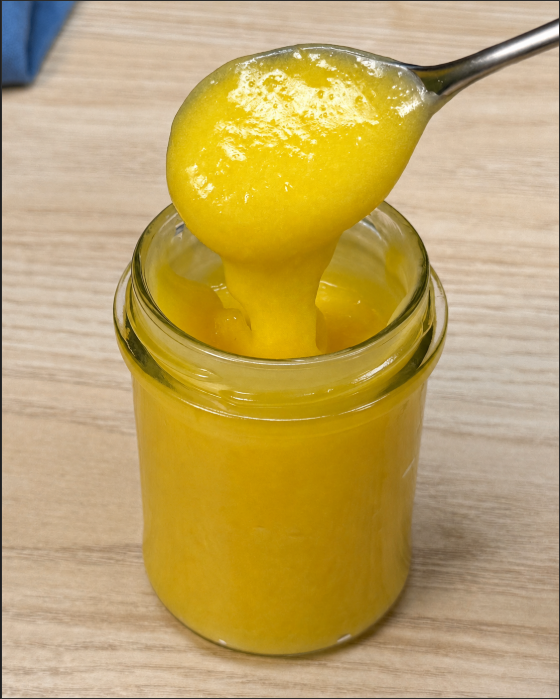
Homemade Lemon Curd Recipe: Tart, Tangy, and Perfectly Sweet
Lemon curd is one of those classic homemade treats that instantly brightens up any dessert. Smooth, creamy, sweet, and packed with fresh citrus flavor, this traditional spread has remained a favorite for generations. Whether layered into cakes, spooned onto pancakes, spread over toast, or used as a tart filling, homemade lemon curd delivers a burst of sunshine in every bite.
Unlike store-bought versions, homemade lemon curd has a fresher taste, a silkier texture, and a more vibrant lemon flavor. Best of all, it requires only a handful of simple ingredients and about 20 minutes of preparation time. Once you make it from scratch, you may never want to buy it again.
This detailed guide will teach you everything you need to know about making perfect lemon curd at home. From understanding what lemon curd actually is to learning expert techniques for achieving a smooth and creamy texture, this complete recipe article covers every step in detail.
What is Lemon Curd?
Lemon curd is a rich and creamy citrus spread made from lemon juice, lemon zest, sugar, eggs, and butter. It has a smooth consistency similar to custard but with a brighter and more intense citrus flavor.
Traditionally associated with British cuisine, lemon curd became especially popular during afternoon tea, where it was commonly served with scones, biscuits, and bread. Over time, it evolved into a versatile dessert ingredient used in pastries, cakes, tarts, macarons, parfaits, and many other sweet treats.
The balance between tart lemon juice and sweet sugar gives lemon curd its signature flavor. Butter adds richness, while eggs help thicken the mixture into a silky, spreadable consistency.
Homemade lemon curd is prized for its fresh flavor and luxurious texture. It can be made thick enough for tart fillings or slightly softer for spreading and drizzling.
Why Homemade Lemon Curd is Better Than Store-Bought
There are several reasons why homemade lemon curd stands out from commercial varieties.
Fresher Flavor
Freshly squeezed lemon juice gives homemade lemon curd a vibrant citrus taste that bottled or processed products simply cannot replicate.
No Artificial Preservatives
Many packaged lemon curds contain stabilizers, preservatives, artificial flavors, or food coloring. Homemade versions rely entirely on natural ingredients.
Better Texture
Freshly prepared lemon curd is incredibly silky and smooth. You can also adjust the thickness according to your preference.
Easy to Customize
You can make your lemon curd sweeter, more tart, thicker, or lighter depending on your taste.
Surprisingly Simple
Although it sounds fancy, lemon curd is actually very easy to prepare. The process requires only basic kitchen tools and simple ingredients.
The Secret to Perfect Lemon Curd
Making perfect lemon curd is all about balance and technique. While the ingredient list is short, each component plays an important role.
Lemon Juice
Fresh lemon juice provides acidity and flavor. Always use freshly squeezed lemons whenever possible because bottled juice lacks freshness and aroma.
Lemon Zest
The zest contains fragrant citrus oils that intensify the lemon flavor. Avoid grating the bitter white pith beneath the peel.
Eggs
Eggs thicken the curd and create its custard-like consistency. Using both whole eggs and egg yolks results in a richer texture.
Sugar
Sugar balances the tartness of the lemons and contributes to the smooth texture.
Butter
Butter adds richness, glossiness, and a velvety mouthfeel.
Ingredients for Homemade Lemon Curd
This recipe makes approximately one 200-gram jar of lemon curd.
Ingredients
- 130 ml fresh lemon juice
- Zest of 1 lemon
- 3 egg yolks
- 1 whole egg
- 150 grams sugar
- 80 grams unsalted butter
Kitchen Equipment You Will Need
Before you begin, gather the following tools:
- Medium mixing bowl
- Whisk
- Saucepan
- Fine grater or zester
- Wooden spoon or silicone spatula
- Fine mesh sieve (optional)
- Glass jar or airtight container
Using the proper tools makes the process smoother and helps ensure professional-quality results.
Step-by-Step Homemade Lemon Curd Recipe
Step 1: Prepare the Lemons
Wash and dry the lemons thoroughly. Zest one lemon carefully, avoiding the white pith underneath the peel.
Cut the lemons and squeeze enough juice to obtain 130 ml of fresh lemon juice. Strain out any seeds.
Fresh juice is essential for achieving the brightest and freshest flavor.
Step 2: Whisk the Eggs and Sugar
In a medium bowl, combine the egg yolks, whole egg, and sugar.
Whisk until the mixture becomes smooth and slightly pale. Proper whisking helps prevent lumps later in the cooking process.
Step 3: Add Lemon Juice and Zest
Pour the lemon juice into the egg mixture and stir well. Add the lemon zest and mix thoroughly.
At this stage, the mixture will appear thin, but it will thicken during cooking.
Step 4: Cook the Mixture
Transfer the mixture to a saucepan.
Cook over low to medium heat while stirring constantly with a wooden spoon or silicone spatula.
This is the most important step. Continuous stirring prevents the eggs from scrambling and ensures even thickening.
After about 10 to 15 minutes, the mixture will begin to thicken.
Step 5: Check for Thickness
The curd is ready when it coats the back of a spoon. You should be able to draw a line through the coating with your finger.
Do not allow the mixture to boil aggressively, as excessive heat can curdle the eggs.
Step 6: Add the Butter
Remove the saucepan from the heat.
Add the butter gradually, stirring continuously until fully melted and incorporated.
The butter gives the lemon curd its luxurious texture and glossy appearance.
Step 7: Strain for Extra Smoothness
For ultra-smooth lemon curd, strain the mixture through a fine mesh sieve.
This step removes any small bits of cooked egg or zest.
Step 8: Cool and Store
Allow the lemon curd to cool slightly before transferring it into a clean jar or airtight container.
As it cools, it will continue to thicken.
Refrigerate until ready to use.
Common Mistakes to Avoid
Even though lemon curd is simple, a few mistakes can affect the final result.
Cooking Over High Heat
High heat may scramble the eggs and create lumps.
Always cook lemon curd slowly over gentle heat.
Not Stirring Constantly
Continuous stirring ensures smooth thickening and prevents sticking.
Using Bottled Lemon Juice
Fresh lemons provide significantly better flavor and aroma.
Overcooking
Overcooked lemon curd may become too thick or grainy.
Remove it from the heat once it reaches a custard-like consistency.
Skipping the Straining Step
While optional, straining creates a much smoother and more professional texture.
How to Tell When Lemon Curd is Done
Many people worry about undercooking or overcooking lemon curd.
Here are the signs that it is ready:
- It coats the back of a spoon
- It thickens noticeably
- It leaves a clear line when swiped with a finger
- It resembles a pourable custard
Remember that lemon curd thickens more as it cools.
Tips for the Smoothest Lemon Curd
Use Room Temperature Eggs
Cold eggs may cook unevenly.
Cut Butter into Small Pieces
Smaller pieces melt faster and blend more smoothly.
Cook Slowly
Patience is the key to silky lemon curd.
Stir Constantly
Never stop stirring during cooking.
Use Fresh Ingredients
Fresh lemons and quality butter make a huge difference.
Delicious Ways to Use Lemon Curd
One of the best things about lemon curd is its versatility.
Spread on Toast
Lemon curd makes a delicious breakfast spread.
Fill Cakes and Cupcakes
Use it between cake layers or inside cupcakes.
Top Pancakes and Waffles
A spoonful instantly elevates breakfast dishes.
Make Lemon Tarts
Lemon curd is the classic filling for lemon tarts.
Swirl into Yogurt
Add brightness and sweetness to plain yogurt.
Serve with Scones
Traditional afternoon tea would not be complete without lemon curd.
Fill Pastries
Croissants, puff pastry, and Danish pastries pair beautifully with lemon curd.
Layer in Parfaits
Combine with whipped cream and berries for elegant desserts.
Spoon Over Ice Cream
Warm or chilled lemon curd complements vanilla ice cream perfectly.
Variations of Lemon Curd
Once you master the classic recipe, try experimenting with other citrus fruits.
Lime Curd
Bright, tangy, and slightly tropical.
Orange Curd
Sweeter and milder than lemon curd.
Grapefruit Curd
Complex and slightly bitter.
Mixed Citrus Curd
Combine lemons, oranges, and limes for layered flavor.
Can You Make Lemon Curd Without Butter?
Yes, although the texture will differ slightly.
Butter-free lemon curd tends to be lighter and less rich. Some recipes substitute coconut oil for a dairy-free version.
However, traditional lemon curd relies on butter for its signature smoothness.
How to Store Homemade Lemon Curd
Proper storage keeps lemon curd fresh and safe to eat.
Refrigerator Storage
Store lemon curd in a clean airtight container in the refrigerator for up to 2 weeks.
Allow it to cool completely before sealing to prevent condensation.
Freezer Storage
Lemon curd freezes surprisingly well.
Transfer it to a freezer-safe container and freeze for up to 3 months.
Thaw overnight in the refrigerator before using.
Can Lemon Curd Be Canned?
While some people preserve lemon curd through canning, refrigeration is generally safer and easier for homemade batches.
Because lemon curd contains eggs and butter, proper food safety procedures are essential if attempting long-term preservation.
Nutritional Information
The nutritional profile of lemon curd depends on portion size and ingredient ratios.
Generally, lemon curd contains:
- Vitamin C from lemons
- Healthy fats from butter
- Protein from eggs
- Carbohydrates from sugar
Since lemon curd is rich and sweet, it is best enjoyed in moderation.
Why Lemon Curd Thickens
The thickening process occurs because eggs coagulate when heated.
As the mixture warms, proteins in the eggs bond together and create a thicker consistency.
Butter also contributes to the final texture once melted into the mixture.
Acidity from lemon juice helps stabilize the eggs, reducing the risk of curdling.
Frequently Asked Questions
Can I Use Whole Eggs Only?
Yes, but using extra yolks creates a richer and creamier texture.
Why is My Lemon Curd Lumpy?
Lumps usually occur when the heat is too high or the mixture is not stirred consistently.
Straining can help fix minor lumps.
Why is My Lemon Curd Too Thin?
It likely needs more cooking time.
Continue cooking gently while stirring until it thickens properly.
Can I Reduce the Sugar?
Yes, but reducing sugar may increase tartness and slightly affect texture.
Is Lemon Curd Served Hot or Cold?
It is usually served chilled or at room temperature.
Can I Double the Recipe?
Absolutely. Just use a larger saucepan and maintain gentle heat.
What Desserts Pair Best with Lemon Curd?
Lemon curd pairs wonderfully with:
- Cheesecake
- Sponge cake
- Vanilla cupcakes
- Pavlova
- Crepes
- Shortbread cookies
- Muffins
- Yogurt parfaits
The History of Lemon Curd
Lemon curd originated in England during the 19th century.
Early versions were often homemade and served with bread or scones during afternoon tea. Over time, it became a staple ingredient in British baking and dessert culture.
Traditional lemon curd recipes were sometimes made by curdling cream with lemon juice. Modern recipes evolved into the smoother egg-thickened version we know today.
Today, lemon curd remains popular around the world due to its versatility and refreshing flavor.
Serving Ideas for Special Occasions
Homemade lemon curd is elegant enough for holidays and celebrations.
Brunch Tables
Serve alongside pastries, croissants, and fresh fruit.
Afternoon Tea
Pair with warm scones and clotted cream.
Summer Desserts
Use as a topping for chilled cheesecakes or berry trifles.
Holiday Gifts
Fill decorative jars with homemade lemon curd for thoughtful edible gifts.
Final Thoughts
Homemade lemon curd is one of the easiest and most rewarding dessert recipes you can make from scratch. With just a few ingredients and minimal effort, you can create a rich, silky spread bursting with fresh citrus flavor.
Its versatility makes it an essential recipe for any home baker. Whether you use it in cakes, pastries, breakfast dishes, or elegant desserts, lemon curd adds brightness and luxury to every bite.
Once you experience the flavor of freshly made lemon curd, you will understand why this timeless recipe has remained beloved for generations. Smooth, tangy, sweet, and incredibly satisfying, homemade lemon curd truly transforms simple desserts into something unforgettable.

