Queen Elizabeth’s Drop Scones Copycat Recipe: The Ultimate Traditional British Tea-Time Treat
There’s something timeless and comforting about a warm batch of freshly cooked drop scones served with butter and jam. Known as one of Queen Elizabeth II’s favorite afternoon tea recipes, these classic British griddle cakes have remained beloved for generations. Soft, fluffy, lightly sweet, and incredibly simple to make, drop scones are the perfect balance between pancakes and scones.
Whether you’re preparing a cozy breakfast, an elegant afternoon tea spread, or a nostalgic homemade dessert, this traditional Queen Elizabeth’s Drop Scones copycat recipe delivers authentic flavor and texture every single time.
In this complete guide, you’ll learn everything about traditional British drop scones, including their history, expert cooking tips, serving ideas, storage methods, common mistakes, and a detailed step-by-step recipe that anyone can master at home.
What Are Queen Elizabeth’s Drop Scones?
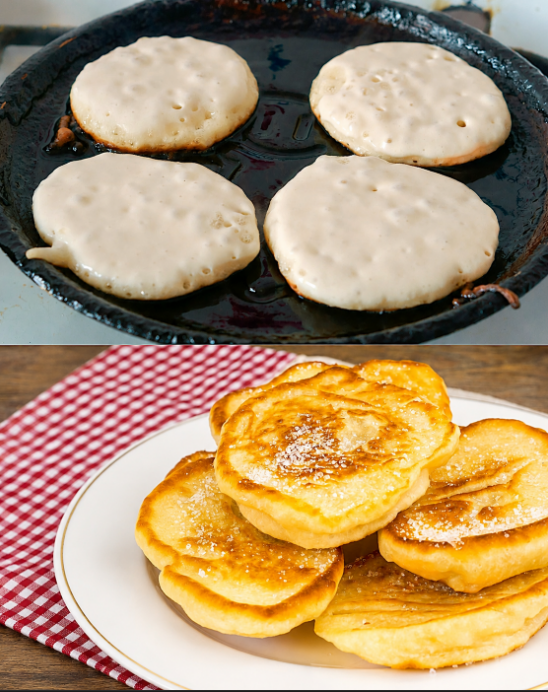
Drop scones, often called Scotch pancakes in the United Kingdom, are small thick pancakes cooked on a griddle or skillet. Unlike regular American pancakes that are usually large and thin, drop scones are smaller, fluffier, and slightly denser.
The batter is spooned or “dropped” onto the hot pan, which is where the name comes from. Once cooked, they develop a golden exterior with a soft tender interior that pairs beautifully with butter, jam, honey, clotted cream, or fresh berries.
Queen Elizabeth II famously served drop scones during royal tea gatherings, helping turn this humble Scottish classic into one of the world’s most recognized British tea-time recipes.
Why This Traditional Drop Scones Recipe Is So Popular
There are many reasons why this recipe has stood the test of time.
Simple Pantry Ingredients
You don’t need any complicated ingredients or special baking equipment. Most households already have flour, eggs, milk, butter, and sugar on hand.
Quick and Easy
Unlike many baked goods, there’s no yeast and no waiting for dough to rise. The batter comes together quickly and cooks in minutes.
Perfect Texture
The combination of bicarbonate of soda and cream of tartar creates a wonderfully airy texture that makes these drop scones soft and fluffy.
Versatile Serving Options
You can enjoy them sweet or savory depending on your toppings and sides.
Perfect for Tea Time
Few recipes feel more elegant and comforting during afternoon tea than warm homemade drop scones with butter and jam.
The History of British Drop Scones
Drop scones originated in Scotland and became popular throughout the United Kingdom during the 19th century. They were traditionally cooked on a griddle over open flames before modern stovetops became common.
Scottish families often enjoyed them during breakfast or afternoon tea because they were affordable, filling, and easy to prepare. Over time, the recipe spread across Britain and became deeply connected to British tea culture.
The royal family’s appreciation for drop scones helped preserve their popularity. One of the most famous stories surrounding the recipe involves Queen Elizabeth II sharing her personal drop scone recipe with U.S. President Dwight Eisenhower after he enjoyed them during a royal visit.
That royal connection helped turn this simple comfort food into a worldwide culinary curiosity.
Difference Between Drop Scones and Pancakes
Many people wonder whether drop scones are simply pancakes by another name. While they are similar, there are several key differences.
Thickness
Drop scones are noticeably thicker and fluffier than traditional pancakes.
Size
They are usually smaller and more compact.
Texture
The texture is soft and cakelike rather than thin and flexible.
Cooking Method
Drop scones are spooned onto the pan instead of poured in large circles.
Traditional Serving Style
They’re commonly served during tea time with butter and preserves rather than syrup.
Ingredients for Queen Elizabeth’s Drop Scones
This traditional recipe uses simple ingredients that work together beautifully.
Flour
Flour forms the structure of the batter and gives the drop scones their classic texture.
Caster Sugar
Caster sugar dissolves quickly into the batter and adds gentle sweetness.
Milk
Milk creates moisture and helps achieve the perfect batter consistency.
Eggs
Eggs add richness, stability, and softness.
Bicarbonate of Soda
This ingredient acts as a leavening agent, helping the drop scones rise.
Cream of Tartar
Cream of tartar works with bicarbonate of soda to create airiness and fluffiness.
Melted Butter
Butter adds flavor, tenderness, and richness.
Full Queen Elizabeth’s Drop Scones Recipe
Ingredients
- 4 teacups flour
- 4 tablespoons caster sugar
- 2 teacups milk
- Extra milk if needed
- 2 whole eggs
- 2 teaspoons bicarbonate of soda
- 3 teaspoons cream of tartar
- 2 tablespoons melted butter
Step-by-Step Instructions
Step 1: Prepare the Wet Ingredients
In a large mixing bowl, whisk the eggs together with the caster sugar until smooth and slightly pale.
Add approximately half of the milk and continue whisking until fully combined.
This step creates the base for a smooth lump-free batter.
Step 2: Add the Flour
Gradually add the flour while stirring continuously.
Slowly pour in the remaining milk while mixing.
The batter should become thick but still spoonable. If it feels too thick, add a little more milk until the consistency is smooth and soft.
Avoid making the batter too runny.
Step 3: Add the Raising Agents
Sprinkle in the bicarbonate of soda and cream of tartar.
Gently stir until just combined.
Do not overmix the batter after adding these ingredients because excessive mixing can reduce the fluffiness.
Step 4: Fold in the Butter
Add the melted butter and gently fold it into the batter.
This helps create a richer flavor and softer texture.
Step 5: Heat the Pan
Place a lightly greased skillet or griddle over medium-low heat.
Allow the pan to heat evenly before adding batter.
A pan that’s too hot can burn the outside before the inside cooks through.
Step 6: Cook the Drop Scones
Use a spoon or ladle to drop small rounds of batter onto the skillet.
Leave enough space between each scone because they will expand slightly while cooking.
Cook until bubbles appear on the surface and the edges begin to set.
Carefully flip each drop scone and cook the second side until golden brown.
Step 7: Serve Warm
Transfer the cooked drop scones to a plate and serve warm with your favorite toppings.
Traditional options include:
- Butter
- Strawberry jam
- Raspberry jam
- Honey
- Lemon curd
- Clotted cream
- Fresh berries
Expert Tips for Perfect Drop Scones
Even though this recipe is simple, a few professional tips can make a huge difference.
Use Medium-Low Heat
Cooking slowly allows the centers to fully cook without burning the exterior.
Don’t Overmix
Overmixing develops gluten and can make the drop scones tough rather than tender.
Adjust the Batter Carefully
The batter should slowly fall from a spoon rather than pour like liquid.
Grease the Pan Lightly
Too much grease can fry the scones instead of gently cooking them.
Keep Them Warm
Place cooked drop scones under a clean kitchen towel or inside a low-temperature oven while finishing the batch.
Best Toppings for Drop Scones
One reason drop scones remain popular is their incredible versatility.
Classic British Style
Butter and strawberry jam remain the traditional favorite.
Honey and Butter
Simple and comforting with natural sweetness.
Clotted Cream and Jam
Perfect for a luxurious afternoon tea experience.
Fresh Fruit
Strawberries, blueberries, raspberries, and bananas pair beautifully.
Whipped Cream
Adds lightness and richness.
Maple Syrup
Ideal for those who love pancake-style breakfasts.
Lemon Curd
Bright citrus flavor balances the sweetness perfectly.
How to Serve Drop Scones for Afternoon Tea
Traditional British afternoon tea is all about elegance and comfort.
Here’s how to create a beautiful tea-time presentation.
Arrange on a Tiered Stand
Place the warm drop scones on a serving tray or cake stand.
Add Small Bowls of Toppings
Offer butter, jam, honey, and cream separately so guests can customize their servings.
Pair With Tea
Classic tea pairings include:
- Earl Grey
- English Breakfast Tea
- Darjeeling
- Chamomile Tea
Include Other Tea-Time Foods
For a complete spread, serve alongside:
- Finger sandwiches
- Shortbread cookies
- Fruit tarts
- Mini cakes
Common Mistakes to Avoid
Cooking at High Heat
This causes burned outsides and raw centers.
Using Thin Batter
Runny batter spreads too much and loses the classic thick texture.
Overmixing the Batter
This creates dense rubbery scones.
Flipping Too Early
Wait until bubbles form and the edges look set.
Skipping the Raising Agents
The bicarbonate of soda and cream of tartar are essential for fluffy texture.
Can You Make Drop Scones Ahead of Time?
Yes, although they taste best fresh from the skillet.
You can prepare the batter a few hours in advance and refrigerate it until needed.
Before cooking, gently stir the batter without overmixing.
Cooked drop scones can also be reheated successfully.
How to Store Drop Scones
Room Temperature
Store cooled drop scones in an airtight container for up to 1 day.
Refrigerator
They will stay fresh for up to 3 days in the fridge.
Reheating
Warm them briefly in:
- A skillet
- A toaster
- A low oven
Avoid microwaving too long because they may become chewy.
How to Freeze Drop Scones
Drop scones freeze surprisingly well.
Freezing Instructions
- Allow them to cool completely.
- Place parchment paper between each scone.
- Store in a freezer-safe bag or container.
They can be frozen for up to 2 months.
Reheating From Frozen
Thaw at room temperature and warm in a skillet or oven before serving.
Variations of Traditional Drop Scones
Once you master the classic recipe, you can experiment with flavors.
Blueberry Drop Scones
Fold fresh blueberries into the batter before cooking.
Cinnamon Spice Version
Add cinnamon and nutmeg for warm flavor.
Lemon Drop Scones
Mix lemon zest into the batter for brightness.
Chocolate Chip Drop Scones
Perfect for dessert or children’s breakfasts.
Savory Drop Scones
Reduce sugar and add herbs or cheese.
Nutritional Benefits
Although drop scones are considered a treat, homemade versions can be a better alternative to heavily processed breakfast foods.
Benefits include:
- Fresh ingredients
- No preservatives
- Moderate sweetness
- Protein from eggs and milk
- Customizable toppings
You can also adjust the recipe using whole wheat flour or lower sugar if preferred.
Why Homemade Drop Scones Taste Better
Store-bought pancakes and baked goods often contain preservatives and artificial flavors.
Homemade drop scones offer:
- Fresher flavor
- Softer texture
- Better aroma
- Customizable sweetness
- Authentic traditional taste
There’s also something deeply comforting about cooking them fresh on a skillet and serving them warm.
Frequently Asked Questions
Are Drop Scones Scottish?
Yes. Drop scones originated in Scotland and are often called Scotch pancakes.
Can I Use Regular Sugar Instead of Caster Sugar?
Absolutely. Granulated sugar works well if caster sugar isn’t available.
Can I Make Them Gluten-Free?
Yes. Use a quality gluten-free flour blend designed for baking.
Can I Use Plant-Based Milk?
Yes. Almond milk, oat milk, or soy milk can work as substitutes.
Why Are My Drop Scones Dense?
This usually happens from overmixing or using batter that’s too thick.
Can I Double the Recipe?
Definitely. This recipe scales up easily for gatherings or parties.
Final Thoughts
Queen Elizabeth’s Drop Scones are a beautiful example of how simple ingredients can create something truly timeless. Soft, fluffy, lightly sweet, and endlessly comforting, these traditional British griddle cakes deserve a place in every home baker’s recipe collection.
Whether you enjoy them during a quiet breakfast, a cozy family brunch, or an elegant afternoon tea gathering, homemade drop scones deliver warmth, nostalgia, and authentic British charm in every bite.
Their royal connection may have made them famous, but their irresistible flavor is what keeps people making them generation after generation.
If you’re looking for an easy traditional recipe that feels both elegant and comforting, these classic British drop scones are the perfect choice.

