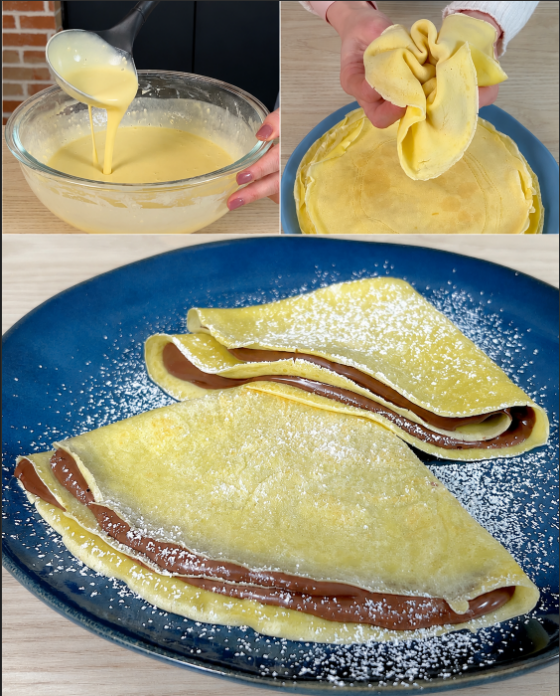
How to Make Perfect Crêpes Every Time: The Ultimate Guide for Sweet and Savory Crepes
Crêpes are one of the most versatile and elegant dishes you can prepare at home. Whether you enjoy them filled with chocolate spread, fresh fruit, cheese, ham, mushrooms, or creamy sauces, mastering the art of making perfect crêpes opens the door to endless culinary possibilities. Despite their simple ingredient list, achieving thin, soft, flexible, and flavorful crêpes requires the right techniques and attention to detail.
Many people assume crêpes are difficult to make because restaurant-style crêpes look delicate and professional. In reality, anyone can make perfect homemade crêpes with the right guidance. The secret lies in choosing quality ingredients, preparing the batter properly, allowing enough resting time, and using the correct cooking method.
In this complete guide, you will learn everything you need to know about making perfect sweet and savory crêpes every single time. From selecting the best flour to storing leftover crêpes, this article covers every detail to help you become a crêpe expert in your own kitchen.
What Are Crêpes?
Crêpes are ultra-thin pancakes that originated in France. Unlike traditional pancakes, crêpes are lighter, more delicate, and flexible enough to fold or roll around different fillings. They can be served sweet or savory depending on the ingredients and fillings used.
Sweet crêpes are commonly enjoyed with:
- Nutella
- Fresh strawberries
- Bananas
- Whipped cream
- Maple syrup
- Powdered sugar
- Caramel sauce
Savory crêpes often include fillings such as:
- Ham and cheese
- Chicken and mushrooms
- Spinach and cream cheese
- Eggs and bacon
- Smoked salmon
- Roasted vegetables
Because crêpes are so adaptable, they work perfectly for breakfast, brunch, lunch, dinner, or dessert.
Why Homemade Crêpes Taste Better
Store-bought crêpes or restaurant crêpes can be convenient, but homemade crêpes offer several advantages:
Fresher Flavor
Freshly made crêpes have a softer texture and richer taste compared to packaged alternatives.
Better Texture
Homemade crêpes remain tender and flexible, while pre-made versions can become dry or rubbery.
Customizable Ingredients
You can control the sweetness, flavorings, and even make gluten-free or dairy-free versions.
More Affordable
Making crêpes at home costs far less than ordering them at cafés or restaurants.
Essential Ingredients for Perfect Crêpes
Although crêpes require only a few ingredients, each one plays an important role in the final texture and flavor.
Flour
Flour is the foundation of every crêpe batter.
All-Purpose Flour
This is the most commonly used flour for crêpes because it provides the ideal balance between softness and structure.
Cake Flour
Cake flour contains less protein, which produces lighter and more delicate crêpes. Mixing cake flour with all-purpose flour creates especially tender crêpes.
Whole Wheat Flour
Whole wheat flour adds a nutty flavor and extra fiber, but it can make crêpes slightly heavier. Many cooks combine it with all-purpose flour for better texture.
Gluten-Free Flour
Gluten-free flour blends can also work well if properly balanced with enough liquid and eggs.
Eggs
Eggs provide structure, elasticity, and richness. They also help hold the batter together and contribute to the soft texture.
Always use fresh eggs for the best flavor and consistency.
Milk
Milk creates the liquid base of the batter and influences both flavor and texture.
Whole Milk
Whole milk gives the richest and creamiest results.
Low-Fat Milk
This option works well but produces slightly less richness.
Plant-Based Milk
Almond milk, oat milk, soy milk, or coconut milk can be used for dairy-free crêpes.
Butter
Butter adds flavor and prevents sticking during cooking.
Melted butter in the batter helps create softer crêpes with a slightly richer taste.
Salt
A small amount of salt enhances flavor and balances sweetness.
Sugar
Sugar is optional but recommended for sweet crêpes. Savory crêpes usually contain little or no sugar.
The Secret to Light and Tender Crêpes
The biggest difference between average crêpes and exceptional crêpes is technique.
Here are the most important secrets professional cooks use.
1. Beat the Eggs Properly
Whisking eggs thoroughly helps incorporate air into the batter. This creates lighter and more delicate crêpes.
Do not rush this step. Well-beaten eggs improve texture significantly.
2. Add Liquid Gradually
Pouring milk slowly while whisking helps create a smooth and lump-free batter.
Adding liquid too quickly can cause uneven mixing and lumps.
3. Sift the Flour
Sifting flour before adding it to the batter helps prevent clumps and creates a silkier consistency.
Smooth batter equals smoother crêpes.
4. Let the Batter Rest
This is one of the most overlooked yet essential steps.
Allowing the batter to rest for at least one hour in the refrigerator gives the flour time to absorb the liquid fully.
Benefits of resting the batter include:
- Softer crêpes
- Better elasticity
- Fewer tears during cooking
- Improved flavor
- More even cooking
If possible, let the batter rest overnight for even better results.
How to Make Crêpe Batter Step by Step
Ingredients
- 1 cup all-purpose flour
- 1/2 cup cake flour
- 3 large eggs
- 2 cups milk
- 2 tablespoons melted butter
- 1 tablespoon sugar
- 1/4 teaspoon salt
- 1 teaspoon vanilla extract (for sweet crêpes)
Instructions
Step 1: Beat the Eggs
In a large bowl, whisk the eggs until smooth and slightly frothy.
Step 2: Add Milk
Slowly pour in the milk while continuing to whisk.
Step 3: Add Dry Ingredients
Sift the flour into the bowl gradually while whisking continuously.
Step 4: Add Butter and Flavorings
Mix in melted butter, salt, sugar, and vanilla extract.
Step 5: Strain the Batter
For extra smooth batter, pour it through a fine mesh sieve.
Step 6: Rest the Batter
Cover and refrigerate for at least one hour.
Choosing the Best Pan for Crêpes
The pan you use can greatly affect your results.
Non-Stick Pan
A non-stick skillet is ideal for beginners because it prevents tearing and sticking.
Crêpe Pan
Traditional crêpe pans have low edges and distribute heat evenly.
Cast Iron Pan
Cast iron can produce beautiful crêpes if well-seasoned.
The Perfect Pan Temperature
Temperature control is crucial.
If the pan is too cold:
- Crêpes become pale and rubbery
If the pan is too hot:
- Crêpes burn before cooking evenly
The ideal temperature is medium to medium-high heat.
A good test is to add a small amount of butter. If it sizzles gently without smoking, the pan is ready.
How to Cook Perfect Crêpes
Step 1: Lightly Butter the Pan
Use only a thin layer of butter. Too much grease can make crêpes uneven.
Step 2: Pour the Batter
Add a small ladle of batter to the center of the pan.
Step 3: Swirl Immediately
Lift and rotate the pan quickly to spread the batter into a thin layer.
This step is essential for achieving classic delicate crêpes.
Step 4: Watch the Edges
When the edges begin to turn golden and slightly lift from the pan, it is time to flip.
Step 5: Flip Carefully
Use a thin spatula or gently flip with your fingers if experienced.
Cook the second side briefly until lightly golden.
Common Crêpe Mistakes and How to Avoid Them
Batter Is Too Thick
Problem:
Crêpes become heavy and pancake-like.
Solution:
Add a little more milk until the batter becomes thin and pourable.
Batter Has Lumps
Problem:
Uneven texture.
Solution:
Use a blender or strain the batter.
Crêpes Tear Easily
Problem:
Batter lacks elasticity.
Solution:
Let the batter rest longer.
Crêpes Stick to the Pan
Problem:
Pan is not hot enough or lacks proper coating.
Solution:
Use a non-stick pan and lightly butter it.
Crêpes Cook Unevenly
Problem:
Heat distribution is inconsistent.
Solution:
Swirl the pan immediately after pouring the batter.
Sweet Crêpe Filling Ideas
Sweet crêpes are incredibly popular because they can be customized endlessly.
Chocolate Hazelnut Spread
A classic favorite that never disappoints.
Fresh Fruit and Cream
Strawberries, bananas, blueberries, and whipped cream create a refreshing dessert.
Lemon and Sugar
Simple yet traditional French-style crêpes.
Peanut Butter and Banana
Perfect for breakfast or post-workout snacks.
Caramelized Apples
Warm apples with cinnamon make an amazing autumn dessert.
Savory Crêpe Filling Ideas
Savory crêpes can easily become a complete meal.
Ham and Cheese
A timeless savory combination.
Spinach and Ricotta
Creamy, nutritious, and flavorful.
Chicken Alfredo
Rich and satisfying.
Smoked Salmon and Cream Cheese
Elegant and perfect for brunch.
Mushrooms and Garlic
Earthy and comforting.
How to Keep Crêpes Warm
If cooking multiple crêpes, stack them on a plate and cover with a clean towel or foil.
This helps trap steam and keeps them soft.
How to Store Crêpes Properly
Refrigerator Storage
Stack crêpes with parchment paper between layers and wrap tightly.
They can last up to 3 days in the refrigerator.
Freezer Storage
Crêpes freeze surprisingly well.
Place parchment paper between each crêpe and store in a freezer-safe bag.
They can last up to 2 months.
How to Reheat Crêpes
Skillet Method
Heat gently in a dry pan for about 30 seconds per side.
Microwave Method
Cover with a damp paper towel and heat briefly.
Are Crêpes Healthy?
Crêpes can absolutely fit into a balanced diet.
To make healthier crêpes:
- Use whole wheat flour
- Reduce sugar
- Use plant-based milk
- Fill with fruit or vegetables
- Avoid excessive sweet toppings
Savory crêpes with protein and vegetables can become a nutritious meal option.
Gluten-Free Crêpe Tips
Making gluten-free crêpes requires careful balance.
Best gluten-free flour options include:
- Rice flour
- Buckwheat flour
- Oat flour
- Gluten-free baking blends
Adding an extra egg often improves elasticity.
Dairy-Free Crêpe Tips
Plant-based milk alternatives work well in crêpes.
Best options:
- Oat milk
- Almond milk
- Soy milk
Use vegan butter or coconut oil for cooking.
Why French Crêpes Taste Different
Authentic French crêpes often use simple ingredients and rely heavily on technique rather than excessive sweetness.
French cooks focus on:
- Ultra-thin texture
- Balanced flavor
- Proper resting time
- High-quality butter
The simplicity is what makes them elegant.
Expert Tips for Restaurant-Quality Crêpes
Use a Blender
Blending the batter creates an ultra-smooth consistency.
Rest Overnight
Longer resting improves flavor and texture dramatically.
Use Minimal Butter
Too much butter causes uneven browning.
Keep the Batter Thin
Thin batter equals delicate crêpes.
Practice Swirling
Swirling technique improves with repetition.
Best Occasions for Serving Crêpes
Crêpes are suitable for many occasions:
- Breakfast
- Brunch
- Dessert
- Afternoon tea
- Romantic dinners
- Holiday gatherings
- Family weekends
Because they can be sweet or savory, they adapt to almost any menu.
Final Thoughts
Perfect crêpes are not just about ingredients—they are about technique, patience, and balance. By choosing the right flour, mixing the batter correctly, allowing enough resting time, and mastering the cooking process, you can create delicate, flavorful crêpes that rival those served in French cafés.
Whether you prefer sweet chocolate-filled crêpes or savory ham and cheese variations, homemade crêpes are one of the most rewarding dishes you can learn to make. Once you understand the basics, experimenting with new flavors and fillings becomes endlessly fun.
With practice, you will soon be making soft, golden, paper-thin crêpes effortlessly in your own kitchen.

